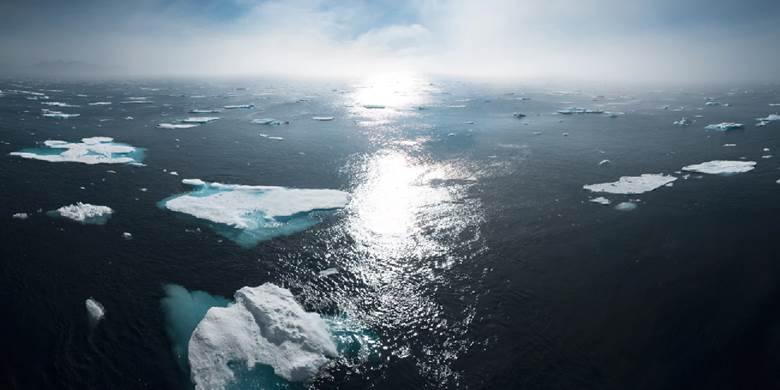
Image by William Bossen via Unsplash
One greenhouse gas stands out
You
might wonder why greenhouse gases matter. It is a fair question. Greenhouse
gases, as the name implies, are gases that trap heat from the sun. In high
concentrations, these gases can negatively impact the climate by retaining more
heat. This is commonly referred to as Climate Change.
Water
vapor is a natural greenhouse gas but is not included in climate concerns due
to its short life in the atmosphere due to precipitation. Other greenhouse gases
that can remain for years or more are carbon dioxide, methane, nitrous oxide,
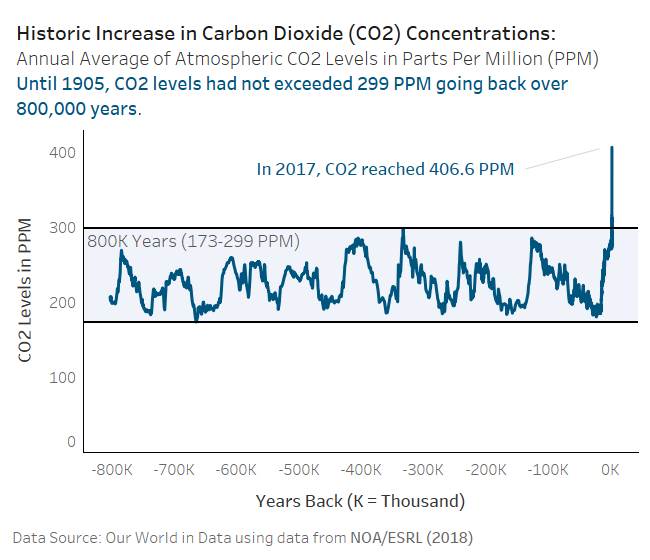
and fluorinated gases. However, one greenhouse gas has seen significant increases
in the atmosphere. That gas is carbon dioxide. How significant? For that
answer, look at the graph below.
So, what changed?
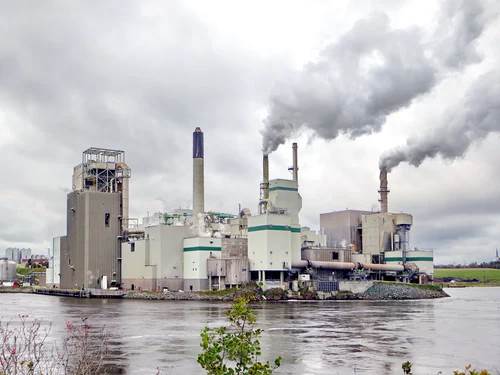
Image by ETA+ via Unsplash
We
did. As advances in technology increased our dependence on fossil fuels, we released
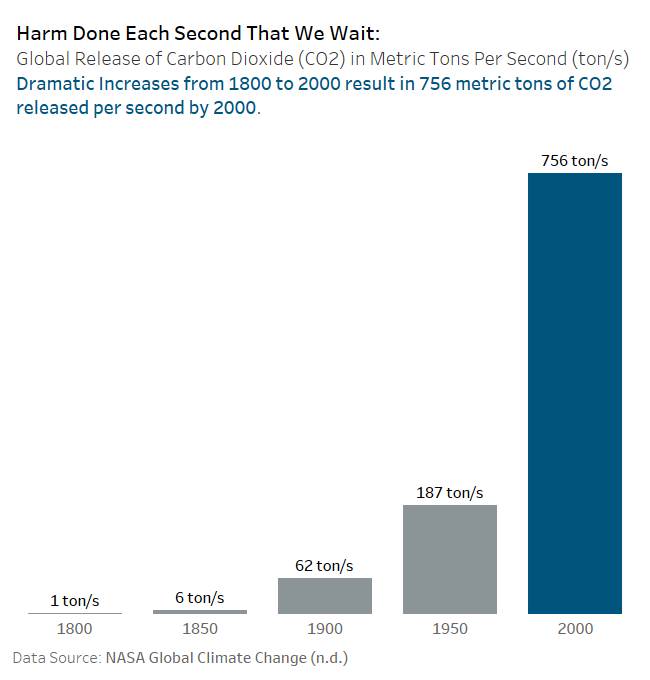
more carbon dioxide into the air. That trend increased over time. To give you
an idea of how much, look at the next graph that shows per second carbon dioxide
emissions for every 50 years from 1800 until 2000. The trend has only gotten
worse since 2000.
Hold on, I thought climate experts were divided?
That
is a common myth propagated by corporations and others with a vested interest
in maintaining the status quo. A lot of money is made from burning fossil
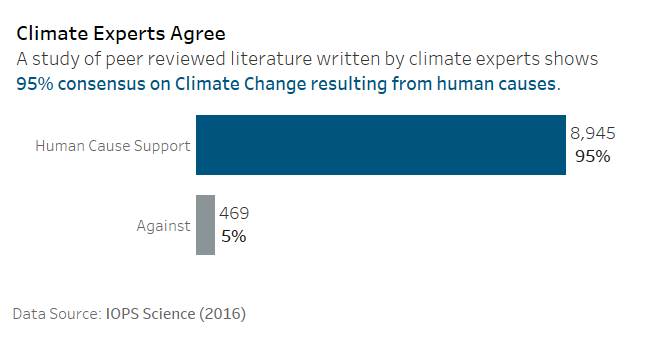
fuels. In 2016, John Cook
and others decided to look at data from several research studies on peer
reviewed literature related to climate change. Depending on a few factors, their
work showed a range of 90 to 97 percent consensus among climate experts on
human caused Climate Change. I used data from the report to compose this graph.
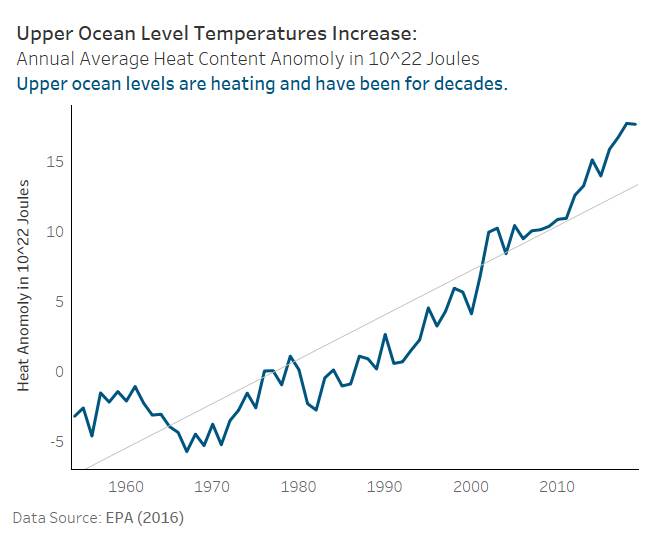
Ocean temperatures are rising!
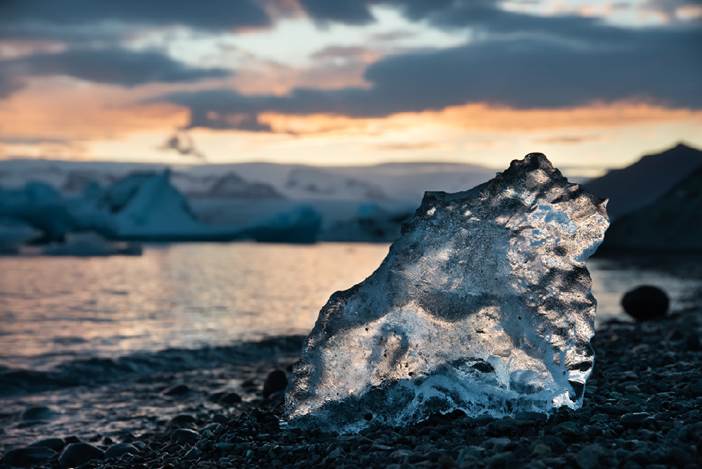
Image by Joseph Vary via Unsplash
Ocean
water absorbs a lot of the heat caused by excess carbon dioxide. You might
think that would be a good thing, but it is not. This results in melting polar
ice and rising sea levels. We have already seen significant rises in ocean temperature
and climate scientists are predicting far worse if we do not reduce carbon
dioxide emissions drastically.
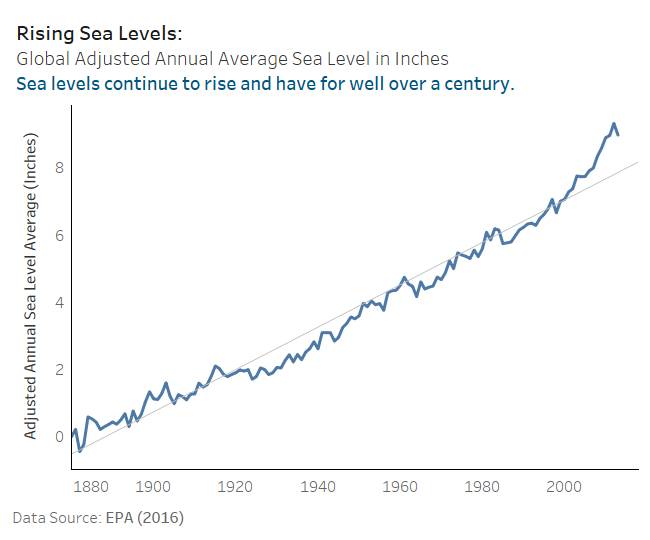
With rising ocean temperatures come rising sea levels
Coast lines across the world are impacted by
rising water levels. Climate scientists predict worsening trends if we continue
to emit carbon dioxide at current levels.
Yet many still deny the impact. This photo
highlights the irony.
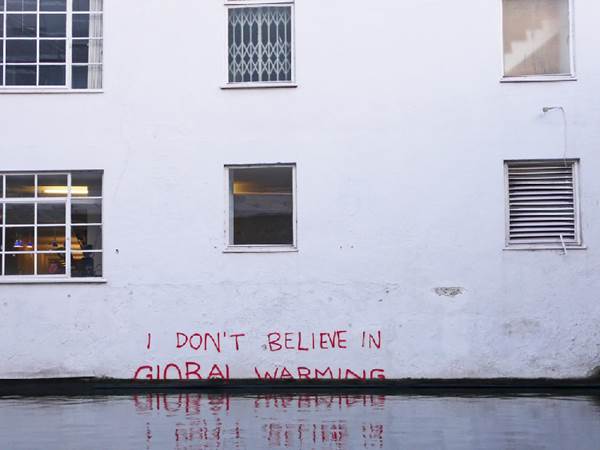
Image by Dullhunk via Creative Commons
Lost
coastal land in the United States
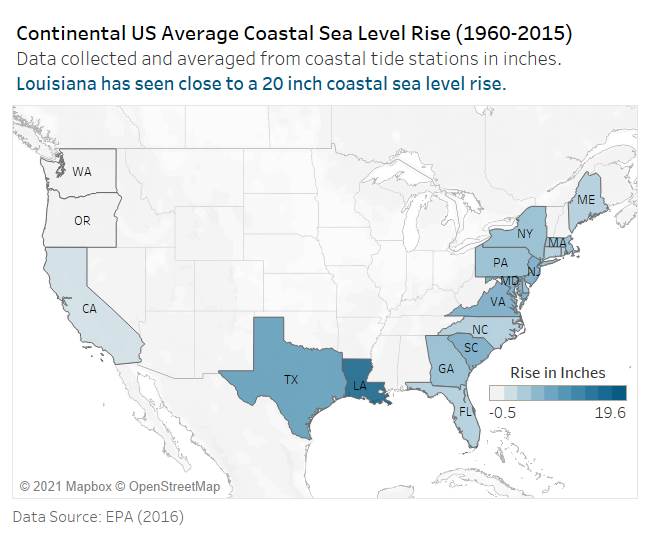
There are other signs. Coastal
property is already being affected. Rising sea levels result in lost coastal
habitat and impacts valuable property where many of us vacation and live. The
map below shows areas already affected in the United States. Louisiana has
experienced many problems due to lost wetlands that are now submerged. The EPA
warns that this increases the likelihood of damage caused by hurricanes.
Arctic summer melts leave less habitat
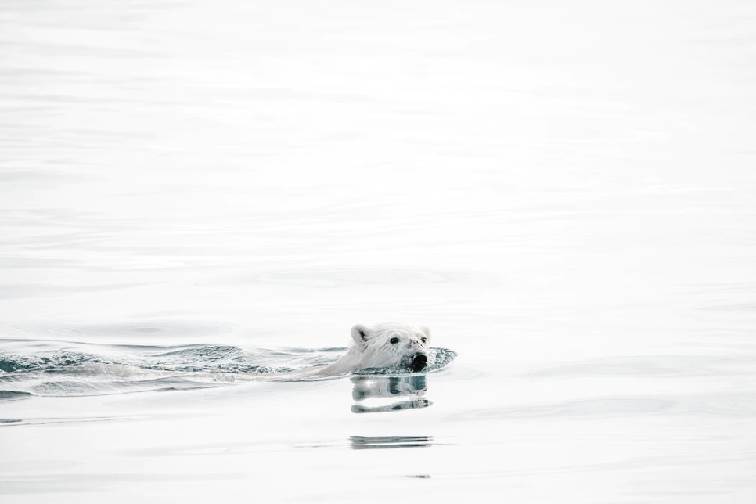
Image by Annie Spratt via Unsplash
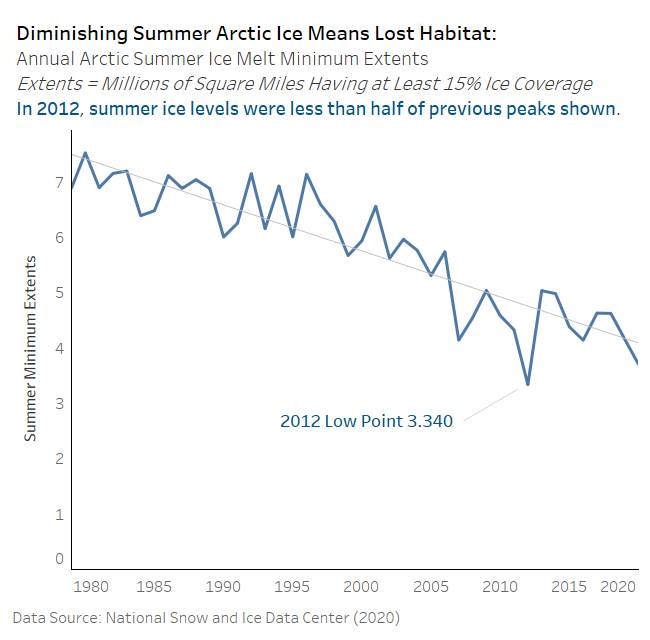
Some areas feel the impact sooner than others. Arctic species have bore the brunt of this crisis so far. According to several reports like the one from Nature in 2020, the polar bear may become extinct in the wild by 2100. The cause often cited is lost summer habitat due to Climate Change. Many other species are also at risk. The trend downward of Arctic ice coverage shown below looks bleak.
Where can we start?
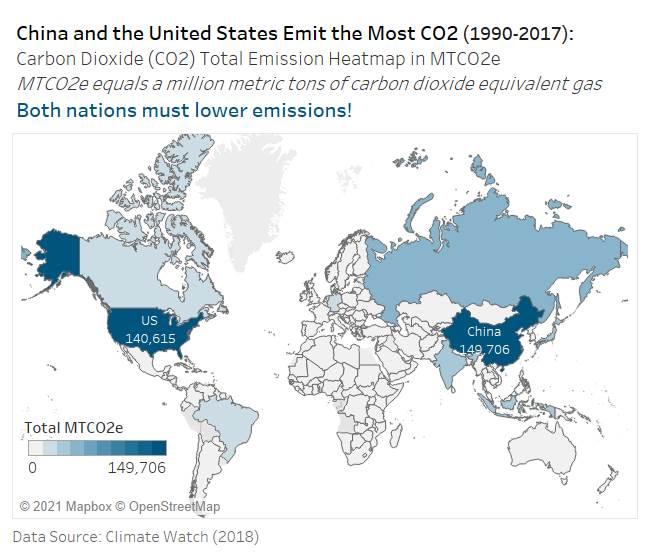
China and the United States are the worst emittors. The following geographic heatmap shows the weight of almost three decades of that history. Both countries have to do better. Leaders across the globe must commit to eliminating emissions by focusing on green technology and reducing dependence on fossil fuel. We cannot accept inaction.
Save the bears!
It
would be unforgivable to let another species go extinct due to our actions,
ourselves included. Reduce your emissions by purchasing fuel efficient vehicles,
learn about your carbon footprint and contact your government leaders. Demand
action on Climate Change! I want future generations to have more than photos of
these magnificent creatures. Do you?
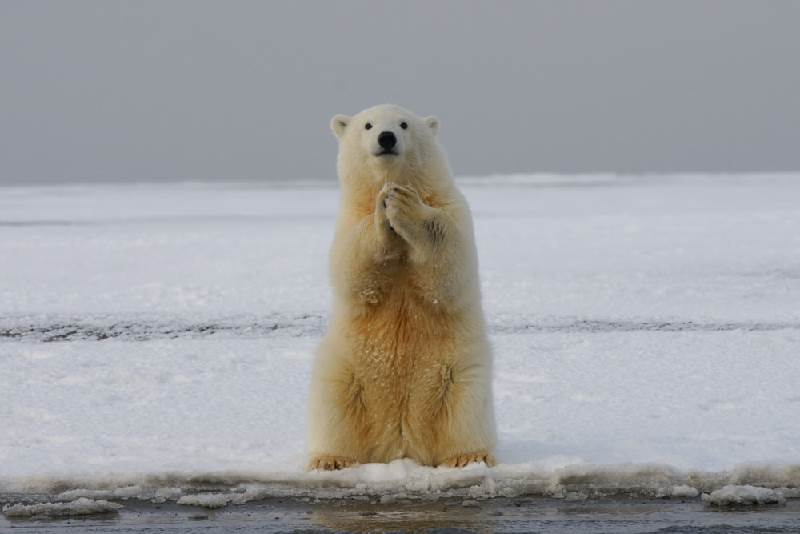
Image by Hans-Jurgen Mager via Unsplash
Sam
Loyd
February
2021